



How to Create a Budget That Keeps Your Debt in Check
A clear budget can help you understand where your money goes, plan loan and credit card repayments, and reduce the risk of taking on more debt when expenses change. This guide explains practical budgeting steps, debt repayment methods and review habits that can support better day-to-day money management. - read more

Loan Hunting with Confidence: How to Check Options Without Credit Damage
Embarking on the journey to secure a loan can feel like navigating a minefield with your credit score as the prize. It's no secret that your credit score is your financial fingerprint, impacting not just your loan prospects but also the terms you're offered. However, the act of loan hunting itself, if not done carefully, can take a toll on this crucial number. - read more

Navigating Financial Uncertainty: Tips for Managing Money Worries
Financial stress is a common issue that affects a large portion of individuals, often due to unexpected expenses, unemployment, or a high cost of living. It can lead to both mental and emotional strain, influencing one's quality of life and decision-making abilities. Credit scores, a critical measurement of financial health, are used by lenders to evaluate the risk of lending money. - read more

The Importance of an Emergency Fund: A Guide for Families
Let's dive into the essential topic of emergency funds. An emergency fund is a stash of money set aside to cover the financial surprises life throws your way. These unexpected events can include sudden unplanned repairs, medical emergencies, or job loss. - read more
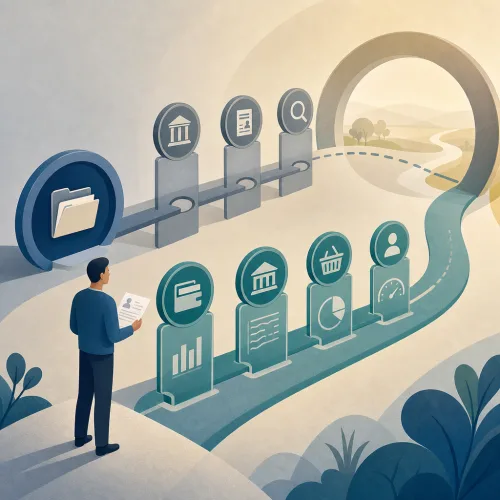
How No-Credit-Check Loan Assessments Work in Australia
No-credit-check loans in Australia can be misunderstood. This guide explains what the term may mean, what lenders may still assess, and how to approach these loans with care. - read more

How to Improve Your Financial Health and Secure Loans Effortlessly
Financial health refers to the state of one's personal financial situation. It encompasses a variety of factors, such as income stability, expenses control, savings, investments, and debt management. - read more

Steps to Take Immediately During a Financial Crisis: A Credit-Friendly Approach
A financial crisis can come in many forms, such as a job loss, unexpected medical bills, or an economic downturn. These events can drastically alter your financial stability and may lead to financial distress. - read more

Are No-Credit-Check Loans Legal in Australia? Responsible Lending and Borrower Protections
No-credit-check and bad-credit loans are not automatically illegal in Australia, but regulated consumer lenders generally still need to assess whether credit is suitable and affordable. This guide explains responsible lending, borrower protections, hardship rights and warning signs to check before applying. - read more

Choosing the Right Loan for Your Personal Needs in Australia
Choosing the right loan can be a pivotal decision in your personal financial journey. In Australia, where a diverse range of loan options is available, selecting the loan that aligns perfectly with your needs is more crucial than ever. A judicious choice can help you fulfill your dreams—be it buying a new home, investing in education, or consolidating debt—while ensuring that the repayments remain manageable and do not lead to financial strain. - read more
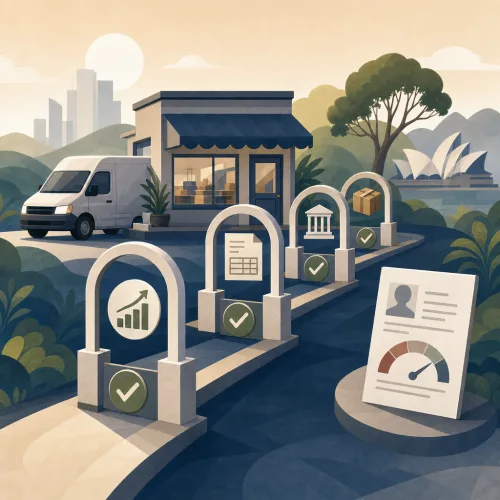
Business Loans Without a Traditional Credit Check: What Australian Borrowers Should Know
Business loans without a traditional credit check are usually assessed through cash flow, trading data, invoices, bank statements, security and business viability rather than relying only on a credit score. - read more

No comments yet. Be the first to share your thoughts.